Rotating AiRs collaborating spaces

Global artist-in-residency Programme 2027–2028
The storms, both natural and political, we experience today are a result of the voyages once enabled by the wind that blew ships from port cities such as Antwerp, Barcelona, and Hoorn to countries known as DR Congo, Mexico, and Indonesia.
Much like the wind, the effects of these voyages can be understood as invisible forces; often impossible to be quantified in numbers, yet still highly influential in contemporary cultural and ecological crises. This project aims to redefine the meaning of the routes these ships once took and create an international platform on which artists can critically engage with the lasting effects of colonialism, resulting in an ongoing exploitation of nature and the threatening climate crisis that surrounds us.
Similar to the rotation of air, the artists will be rotating between formerly colonised countries and European port cities from the countries that were once their colonisers. Air in this sense becomes a metaphor for motion and the passing of time. The chapels and monasteries in which the art spaces Hotel Maria Kapel, La Capella, and MORPHO are located continue to exist, despite the changing air within their walls. A rotation of air entails a wind of fresh air blowing into the cultural and institutional structures. With this project, we aim to facilitate a rotation that allows for a change in the air of these structures that have resulted from colonialism.
The ‘rotation of air’ will take Lubumbashi, Mexico City and Yogyayakarta as the starting point from where the artists will take inspiration for the projects that they will continue in Europe and finally exhibit in Barcelona, Antwerp and Hoorn. The route the artists will take is meant to create a counter-current to the overseas voyages and the invisible forces that continue to shape our current world.
In order to expose how colonialism and climate change are inextricably linked, we need to create artistic structures that look beyond national borders. These global topics cannot be treated within national borders; they demand a broader approach that connects different localities with each other from a global perspective.
With this project, we aim to respond to the urgent need for opportunities for artists to research and have a local impact from a universal artistic perspective. The relations between climate change and colonialism and their cross-border character are ones that artists are particularly capable of making visible and tangible.
Therefore, it is important to give artists the opportunity to develop their art in a transnational manner and to connect their artistic process with different localities, generate a dialogue where they share their perspective and are open to learn from local wisdom. In this multifaceted infrastructure of AiRs, we aim to explore art, making processes in different contexts, histories and realities that will overlap and differ. This way, the artists become vessels of unwritten knowledge, rotating through different routes, crossing borders just like particles in the air.


Hibiscus Routes: Material Histories
The Tributes


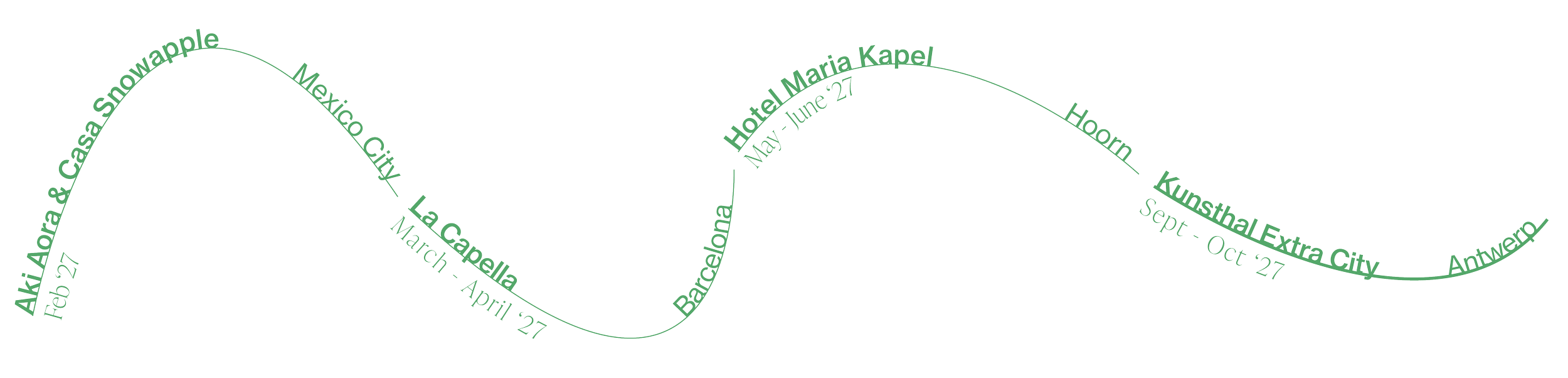
February 2027 - January 2028
AKI AORA & Casa Snowapple, Mexico City → La Capella, Barcelona → Hotel Maria Kapel, Hoorn → Kunsthal Extra City, Antwerp (Exhibition)
Bitter Crystals: A Critical Genealogy of Sweetness


Jade Blackstock believes in flowers. She thinks of them as vessels that reflect our own histories, lives, and projected futures. Hibiscus, as a flower, medicine, drink, or textile fibre, has been carried along generations of displaced bodies by colonialism. Hibiscus (sabdariffa / Flor de Jamaica, sorrel) is a plant originally from the African continent and was shipped to Mexico through Jamaica, alongside trade routes established by colonialism. Hibiscus is a flower especially resistant to drought increased by climate change. Jade investigates the ecological memory of the flower, alongside the resilience and survival of those who have tended, transformed, and passed it down across generations.
Through this project, Jade invites us to look closely, uncovering the material colonial histories buried within the hibiscus while following the routes of movement, migration, and transformation that connect its many lives.
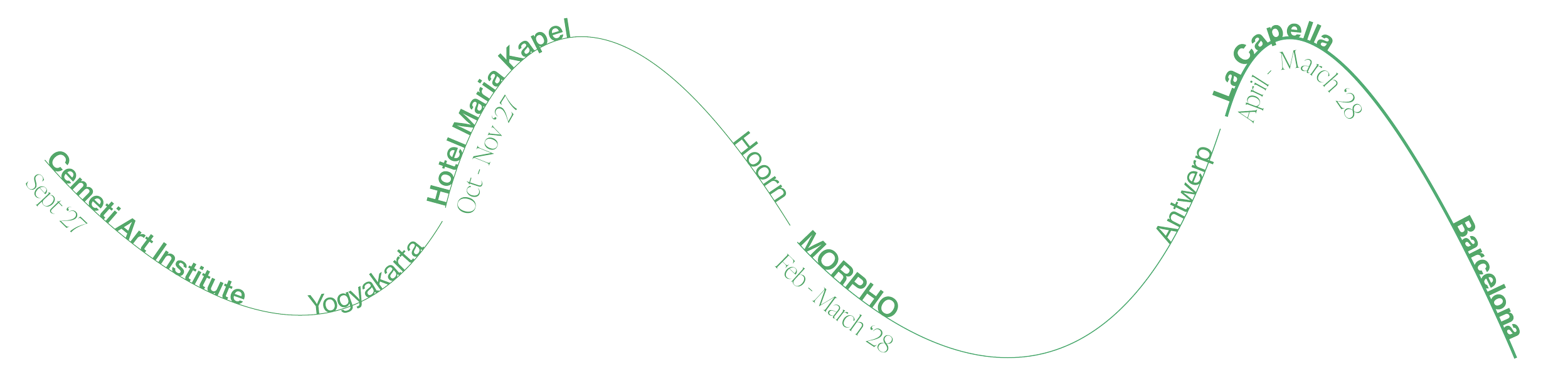
September 2027 - May 2028
Cemeti, Yogyakarta → Hotel Maria Kapel, Hoorn → MORPHO, Antwerp → La Capella, Barcelona (Exhibition)
Jf we could taste climate change, would it be sweet? What flavor does globalization leave behind? Wang Bo may not have the answers, but through his residency in Yogyakarta, he will investigate the culture of sweetness and the historical framework of the sugar industry.
For Bo, sweetness becomes a site of colonial violence and a framework for critically mapping its enduring legacies and mutated forms across today’s social and ecological landscapes. By tracing the histories, economies, and environments shaped by sugar, his research invites us to look beyond sweetness as a simple pleasure and consider the complex histories embedded within it.
From plantations and labor to trade, consumption, and the changing climate, sugar offers a surprisingly rich lens for understanding how colonial histories continue to shape our present.
Can the land remember what human eyes fail to see? What stories are hidden beneath its surface?
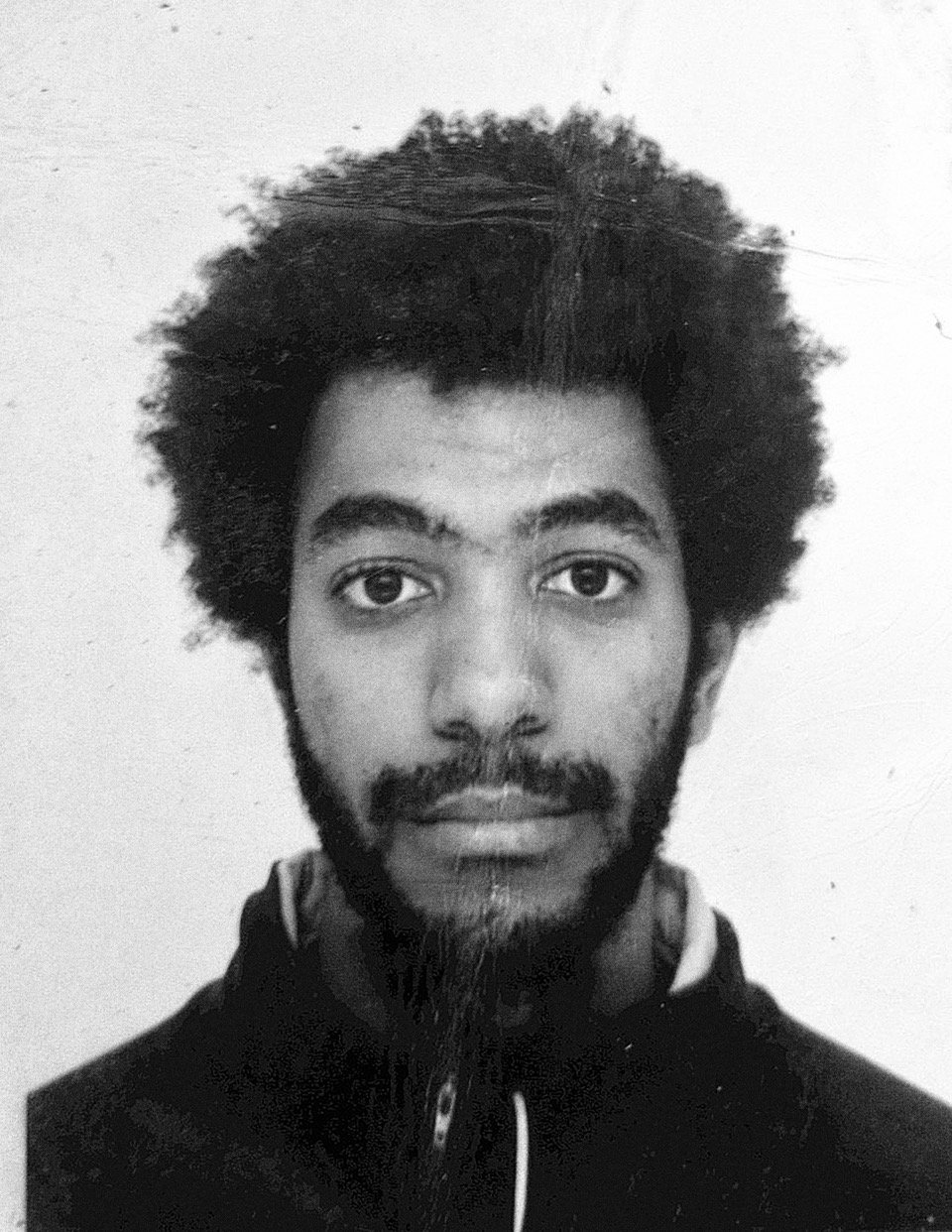
During his residency in Katanga, Leonard Pongo will explore geology as a living archive, from the depths of the Kibakichi caves to traditional bronze foundries using local copper and malachite. Through full-spectrum photography and hand-cast objects, he will capture wavelengths and traces that remain beyond our everyday vision.
For Leonard, the land becomes a place where history, cosmology, and extraction overlap. Through Primordial Earth, he invites us to look closer, beyond what is immediately visible, and into the hidden layers of the landscape. What might we discover when we learn to see the earth differently?
Selected Artists


Co-funded by the European Union. Views and opinions expressed are however those of the author(s) only and do not necessarily reflect those of the European Union or the European Education and Culture Executive Agency (EACEA). Neither the European Union nor EACEA can be held responsible for them.
Partners:
In collaboration with:
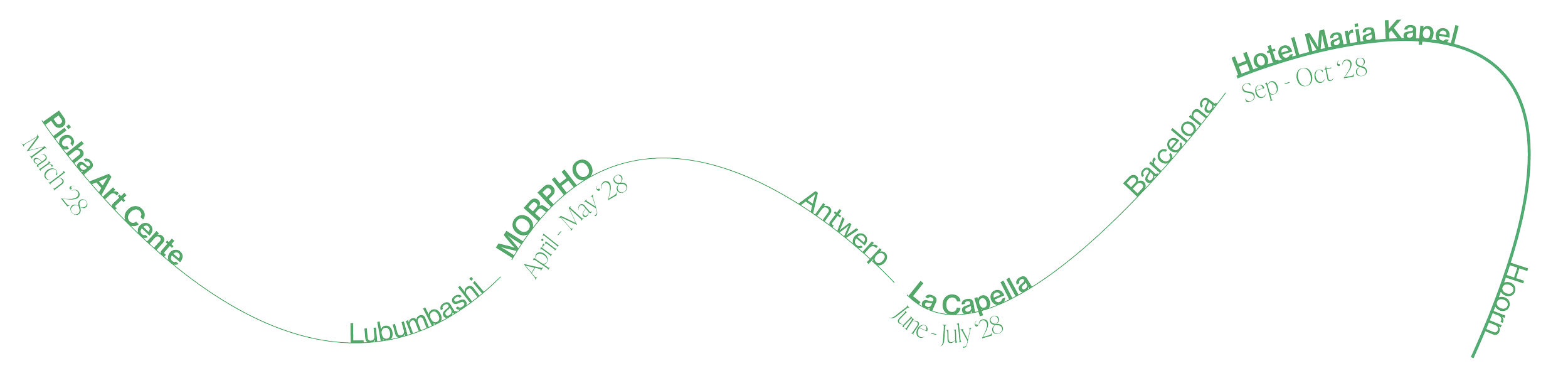
March 2028 - September 2028
Picha Art Center, Lubumbashi → MORPHO, Antwerp → La Capella, Barcelona → Hotel Maria Kapel, Hoorn (Exhibition)